
Signage continues to evolve as businesses look for new ways to attract attention, communicate with customers and create memorable brand experiences. While traditional signage remains an important part of business branding, advancements in materials, lighting, digital displays and design technology are opening up new opportunities.
In 2026, signage is becoming more flexible, interactive and visually appealing, while businesses increasingly prioritise durability, sustainability and long-term value. For those considering new signage or refreshing existing displays, understanding these trends can support better decision-making.
At Blake Sign Co., we appreciate that effective signage must do more than appear modern. It should align with your business, location, branding and practical needs while making a lasting impression.
LED and Illuminated Signage Continues to Grow
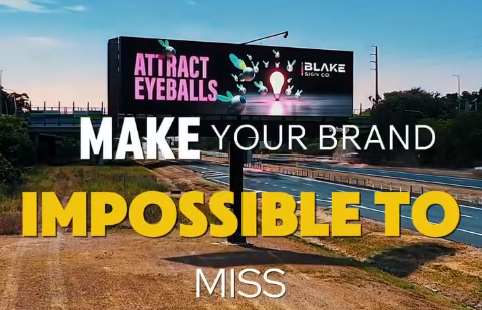
Illuminated signage is well established, but ongoing improvements in LED technology are expanding possibilities for businesses. LED signage offers excellent visibility at night and helps a business stand out in busy commercial areas.
Modern illuminated signage can be integrated into channel lettering, lightboxes, architectural elements and bespoke designs. LED technology also provides an energy-efficient alternative to traditional lighting.
Both illuminated signage and LED options have distinct advantages—illuminated signage ensures clear visibility after dark, while LED offers flexibility, energy savings and design versatility.
For businesses operating at night, illuminated signage is especially valuable. Rather than fading into the background after sunset, your branding remains prominent and continues to attract attention. Blake Sign Co. has observed growing interest in LED illuminated signage as businesses seek effective ways to enhance their street presence.
Cleaner, More Minimalist Designs
One of the leading design trends in 2026 is simplicity.
Instead of overcrowding signs with excessive text, graphics and competing messages, businesses are favouring clean layouts, strong typography and thoughtfully applied branding. This trend responds to the need for signage to communicate quickly.
Customers often view signs from a distance or while passing by. A cluttered design can be difficult to interpret in those brief moments. A simple, well-balanced sign conveys a business name, logo or key message far more effectively.
Minimalist design doesn’t mean dull. Quality materials, three-dimensional lettering, illumination, contrasting finishes and strategic positioning can give a simple design strong visual impact.
3D and Raised Lettering
Three-dimensional signage remains a strong trend in 2026.
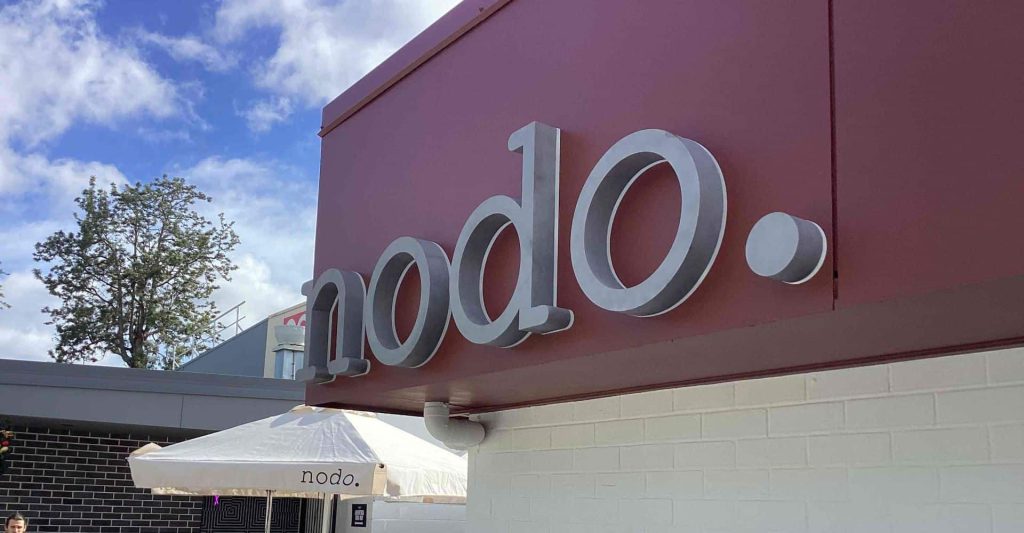
Raised lettering adds depth and dimension to branding without relying on complex graphics. It works particularly well for reception areas, offices, retail outlets, hospitality venues and professional businesses.
Depending on the desired look, businesses can use materials such as acrylic, aluminium and other fabricated options. Lettering can also be paired with illumination, including halo-lit effects, to create additional visual interest.
This style of signage conveys professionalism and helps reinforce brand identity.
Digital Signage Is Becoming More Flexible
Digital signage is transforming how businesses communicate with customers. Instead of static messages, digital screens can be updated remotely to display changing promotions, announcements, information or visual content.
The Australian signage industry increasingly embraces digital media and interactive elements, including LED and LCD displays with scheduling and content management features.
This flexibility suits businesses that frequently update messages. Retailers can advertise different products, hospitality venues can revise menus or specials, and commercial centres can share tenant and visitor information.
Digital signage also allows businesses to respond dynamically to changing circumstances rather than relying on fixed content.
More Interactive Customer Experiences
Signage is moving beyond information delivery toward encouraging interaction.
QR codes, touchscreens, digital displays and mobile connectivity link physical signs to customers’ digital experiences. For example, a sign might prompt customers to scan a QR code to explore product ranges, make enquiries, book services or access promotions.
This bridges traditional physical advertising with online marketing.
The key is ensuring technology serves a clear purpose. Adding interactive features merely because they are trendy may add little value. The best solutions make it easier or more engaging for customers to connect with a business.
AI and Smarter Content
Artificial intelligence is beginning to influence digital signage. In 2026, AI can help businesses create, adapt and manage digital content, with some systems using data to determine what to display at particular times.
This technology could eventually enable signage to react to factors like time of day, events, customer behaviour or environmental conditions.
AI isn’t replacing traditional signage design but serves as an additional tool to manage sophisticated digital displays.
Sustainability and Long-Term Materials
Sustainability is an increasing focus in signage for 2026. Businesses are interested in durable materials and solutions that reduce frequent replacement and lower energy use.
Long-lasting signage is often more sustainable because it avoids repeated manufacturing. Choosing materials suited to the environment is especially important in Queensland, where signs face strong sunlight, humidity, rain and coastal conditions.
LED lighting supports energy-efficient signage, while recyclable and robust materials are also considered depending on the project.
The priority should not be the trendiest material but one that suits the location, purpose, design and expected lifespan of the signage.
Physical and Digital Signage Will Work Together
The future of signage is unlikely to be purely digital or purely traditional. Instead, businesses combine different signage types to create a consistent customer experience.
A company might use a professional shopfront sign, illuminated branding, vehicle graphics, internal displays and digital screens. Each element reinforces the brand identity while serving distinct functions.
This approach offers consistency while allowing technology where it adds genuine value.
Signage That Is Designed to Last
Although signage technology evolves rapidly, one constant remains: effective signage must perform well in real-world conditions.
A design may look impressive digitally but must be readable, durable, well-positioned and fit for its environment. Businesses should consider viewing distance, weather exposure, maintenance, installation and how signage integrates with its surroundings.
Following trends should never mean sacrificing practicality.
The most successful signage in 2026 combines modern design and technology with clear communication principles. It grabs attention, reflects the brand and helps customers identify the business and its offerings.
Contact Blake Sign Co.
If you’re planning to update existing signage or start a new project, Blake Sign Co. can help explore solutions tailored to your business and brand.
From illuminated signage and 3D lettering to shopfront signs, vehicle graphics, digital displays, wayfinding and custom designs, our team can bring your ideas to life.
Contact Blake Sign Co. today to discuss your signage needs and learn how modern design and technology can help your business stand out in 2026 and beyond.